
Concrete Driveway Installation in Green Bay, WI
A professionally installed concrete driveway provides long-term durability, structural strength, and a clean architectural finish. We install concrete driveways in Green Bay built to handle Wisconsin freeze–thaw cycles, heavy loads, and long-term residential use.
We answer.
(920) 600-8906
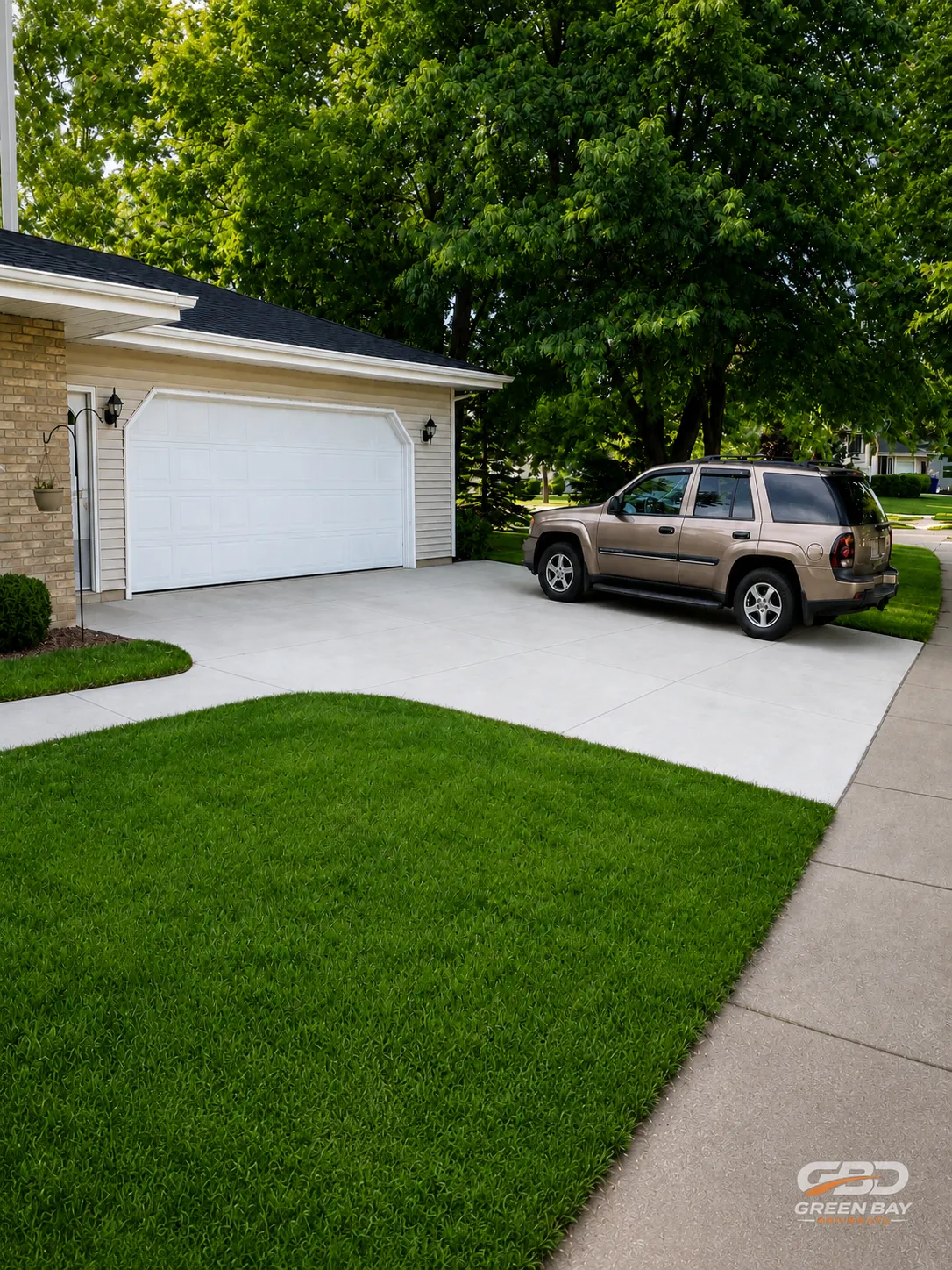
Free Estimates - Licensed & Insured Concrete & Asphalt Experts - Driveways Built For Wisconsin
Concrete Driveway Installation Service Area
We provide concrete driveway installation throughout Green Bay and the surrounding communities of De Pere, Ashwaubenon, Howard, Bellevue, and Allouez, proudly serving homeowners and businesses across Brown County and Northeast Wisconsin.
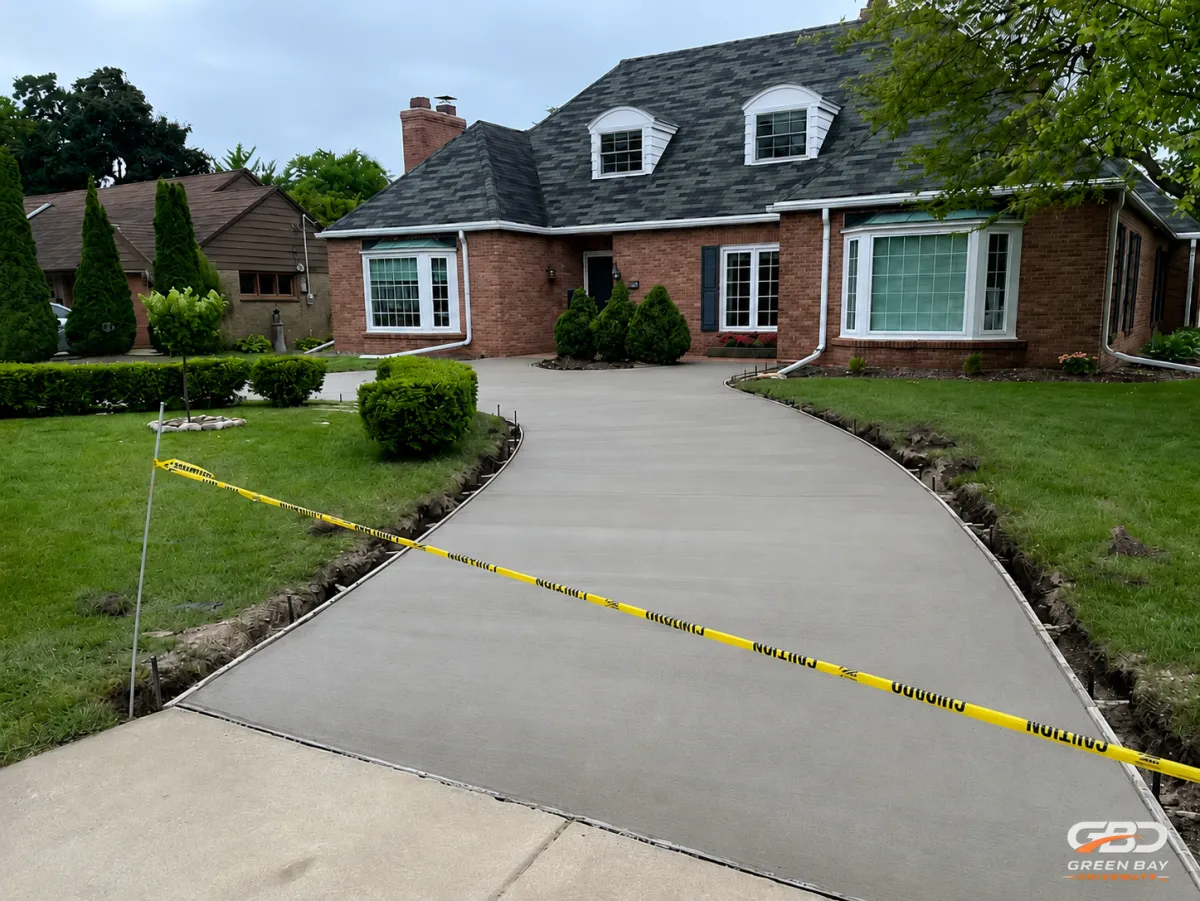
Choose the Finish That Fits Your Home
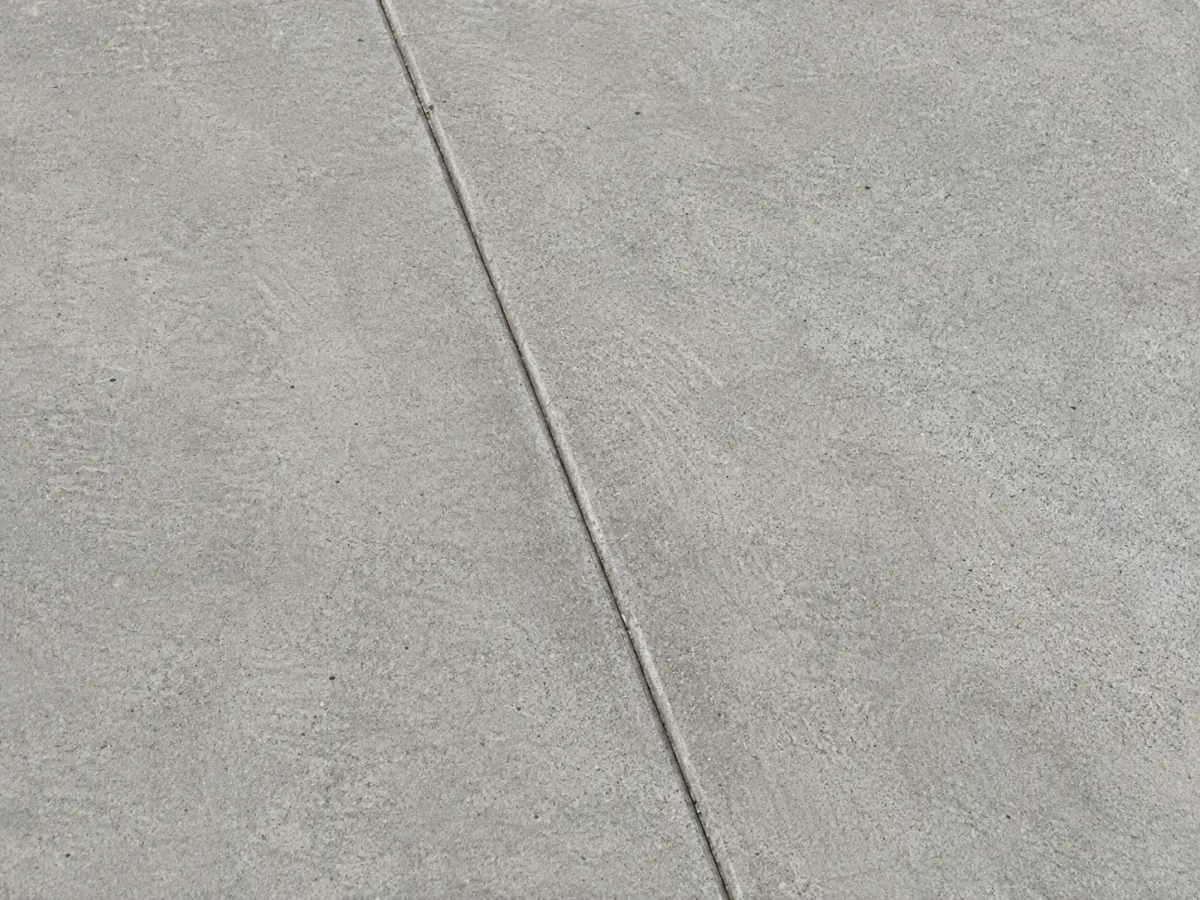
Standard Concrete Finish
Clean, durable, and cost-effective for most residential driveways.
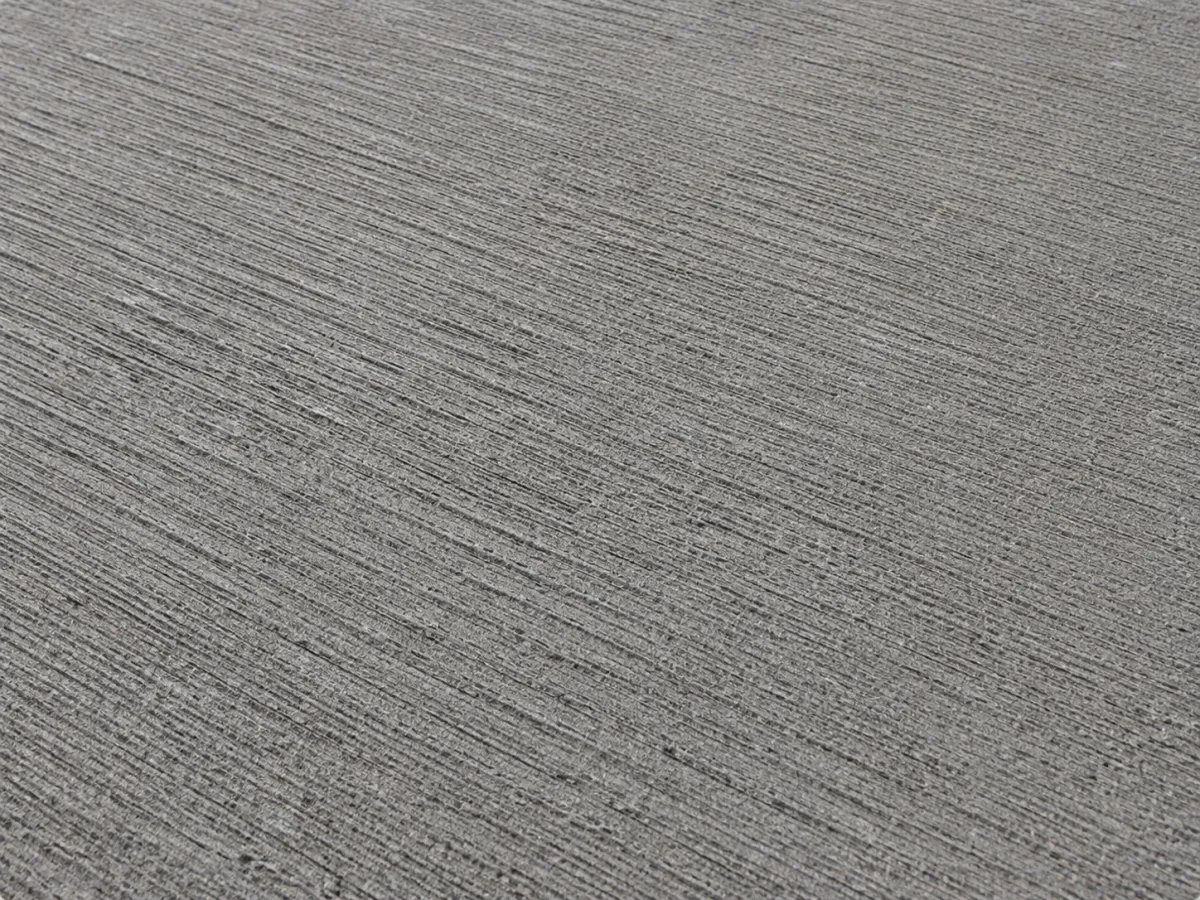
Broom Finish
Textured surface designed for traction in Wisconsin weather conditions.
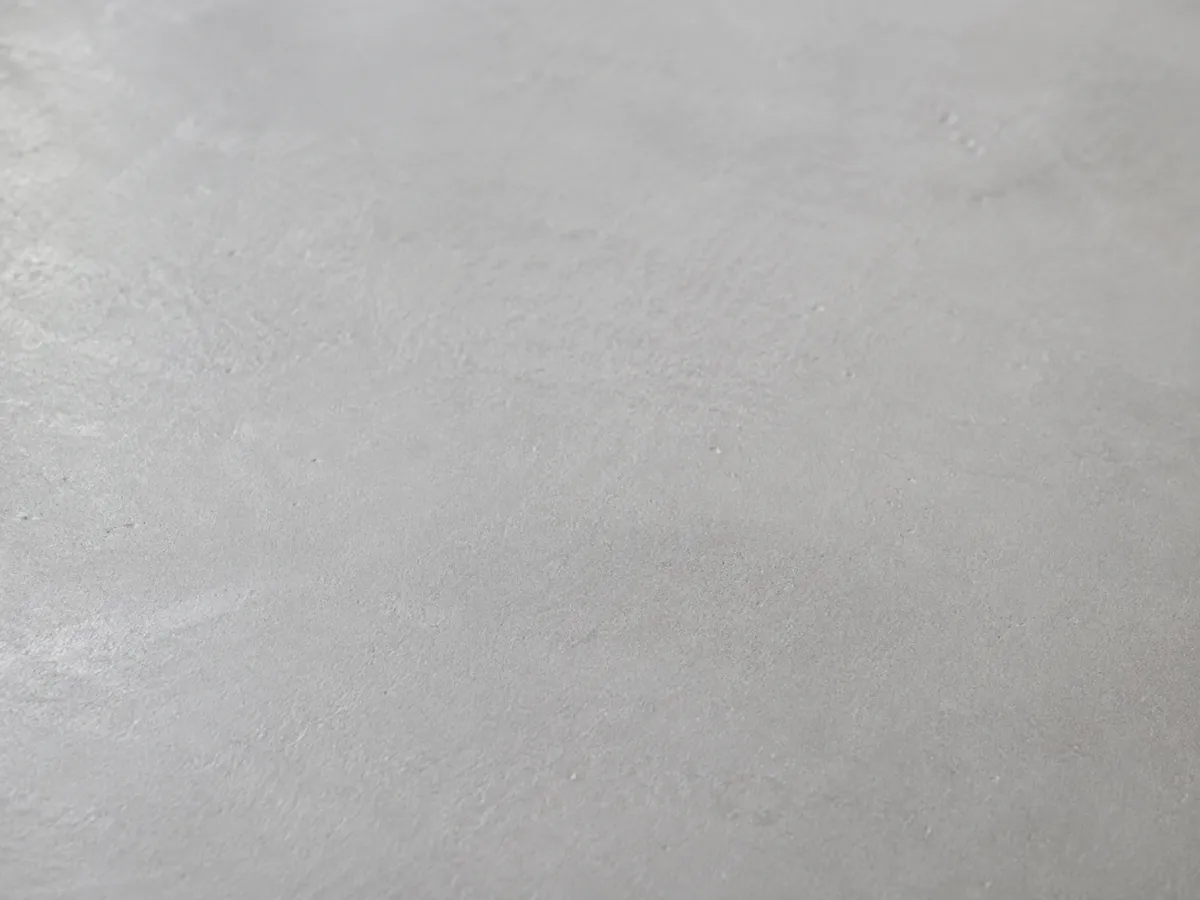
Smooth Finish
Smooth borders or accents create a more custom, polished look.
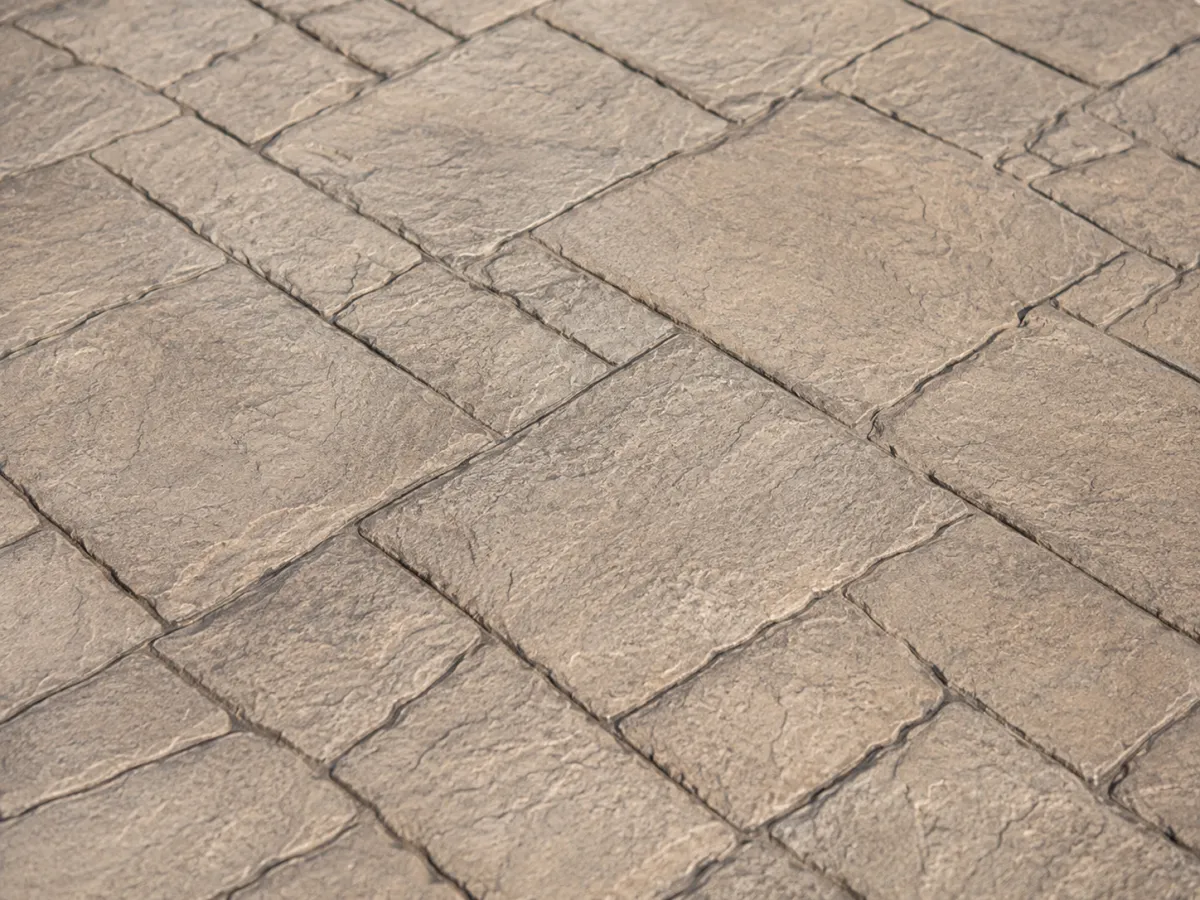
Stamped Concrete
Upgrade with patterns, textures, and colors designed to complement your home.
Why Concrete Performs In Wisconsin
Concrete performance depends on installation quality and base preparation. In Green Bay’s freeze–thaw climate, failure typically occurs when water penetrates weak points and expands during winter cycles.

Proper Base Preparation
We compact a stable base to prevent shifting, sinking, and uneven settling over time.
Smart Drainage & Grading
We grade the driveway to move water away, preventing pooling and reducing freeze–thaw damage.
Reinforced for Strength
Steel reinforcement helps the slab resist cracking from traffic, seasonal movement, and temperature changes.
Durable Surface
All elements work together to create a durable surface that resists cracking, water damage, and premature wear for years.
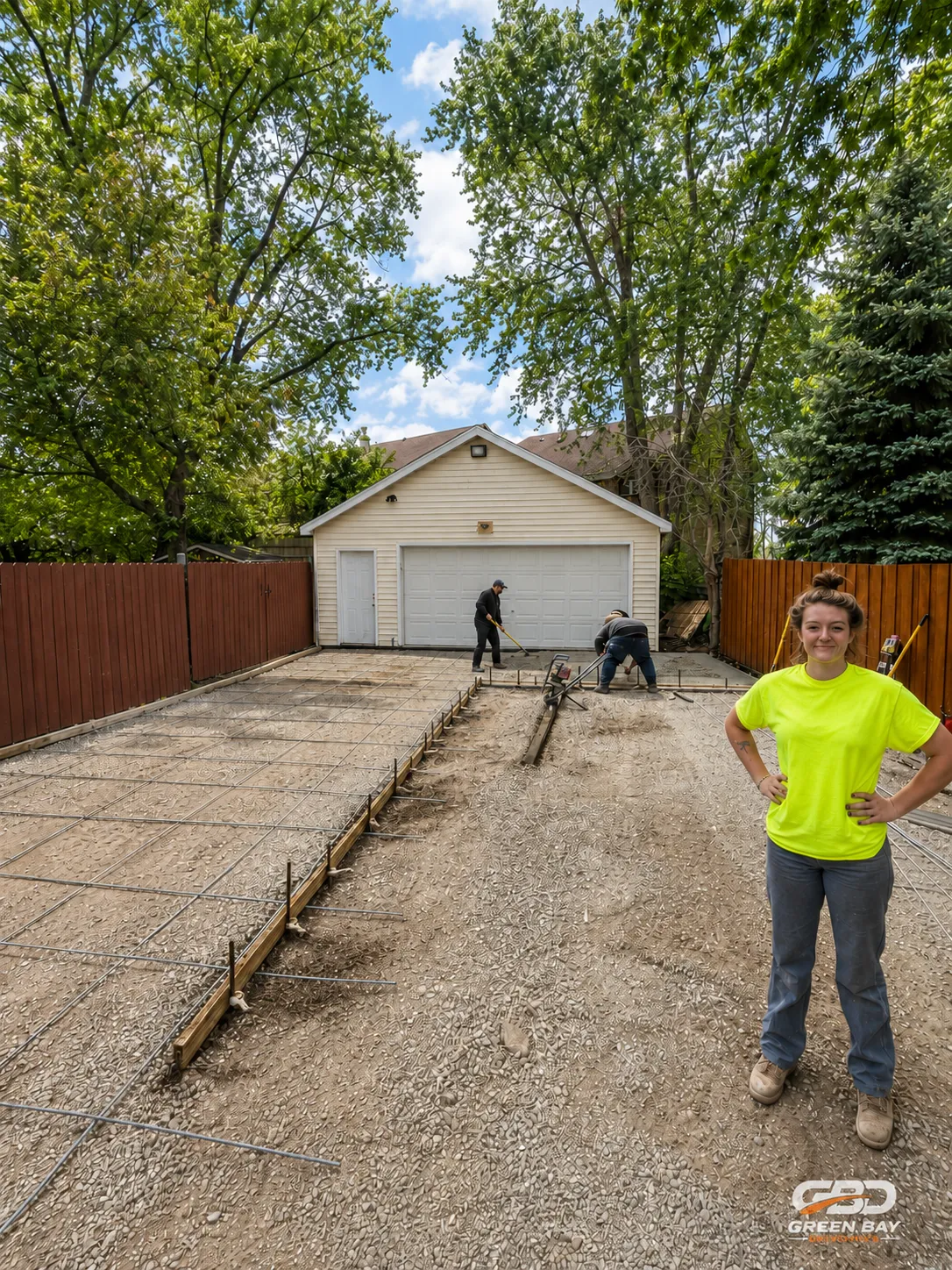
What's Included In Your
Concrete Driveway Installation

Excavation
We remove old or unsuitable material to create a clean foundation.

Grading & Drainage
We properly slope the driveway for water runoff.
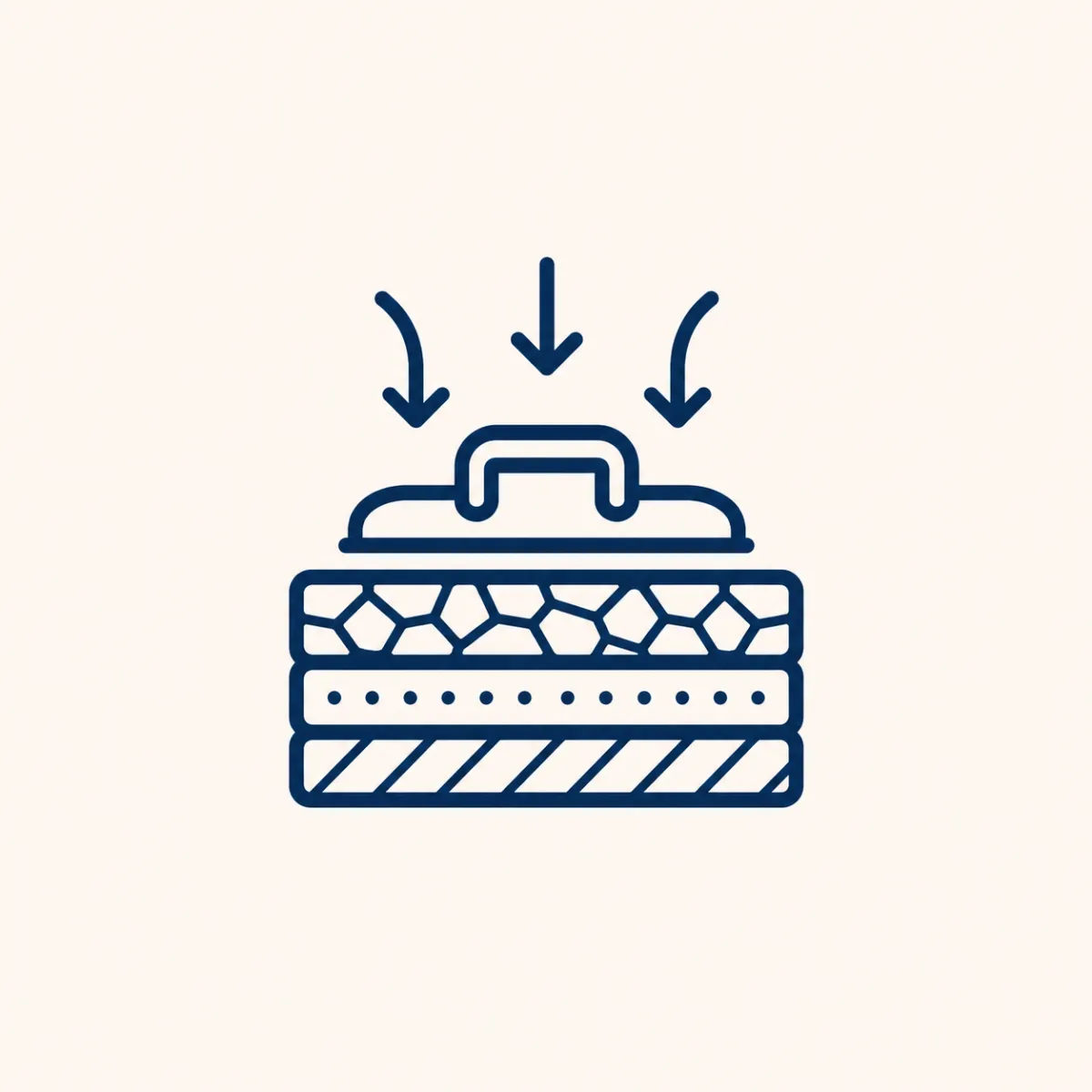
Compacted Base
A strong aggregate base is installed and compacted.
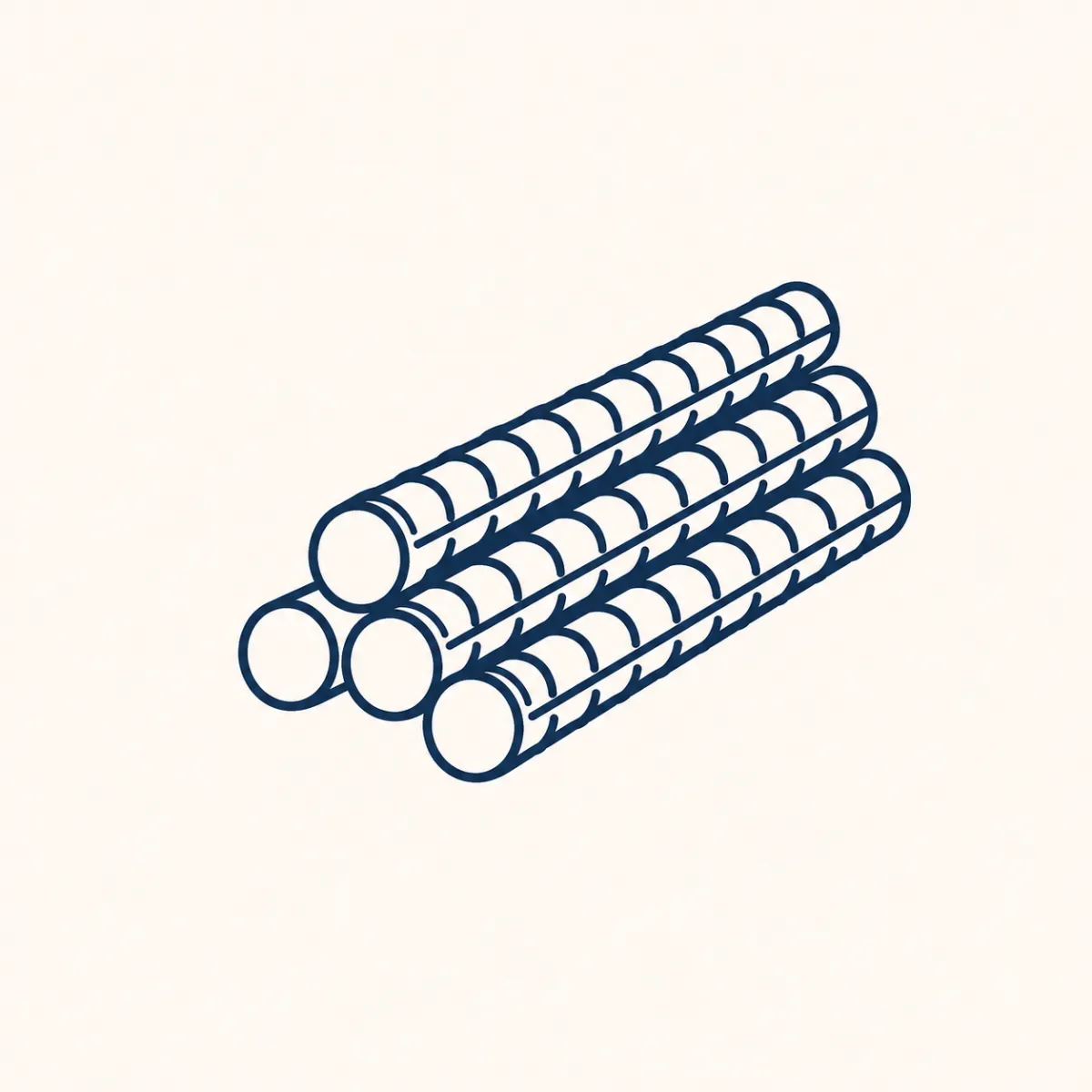
Rebar
Steel or fiber reinforcement is added for durability.
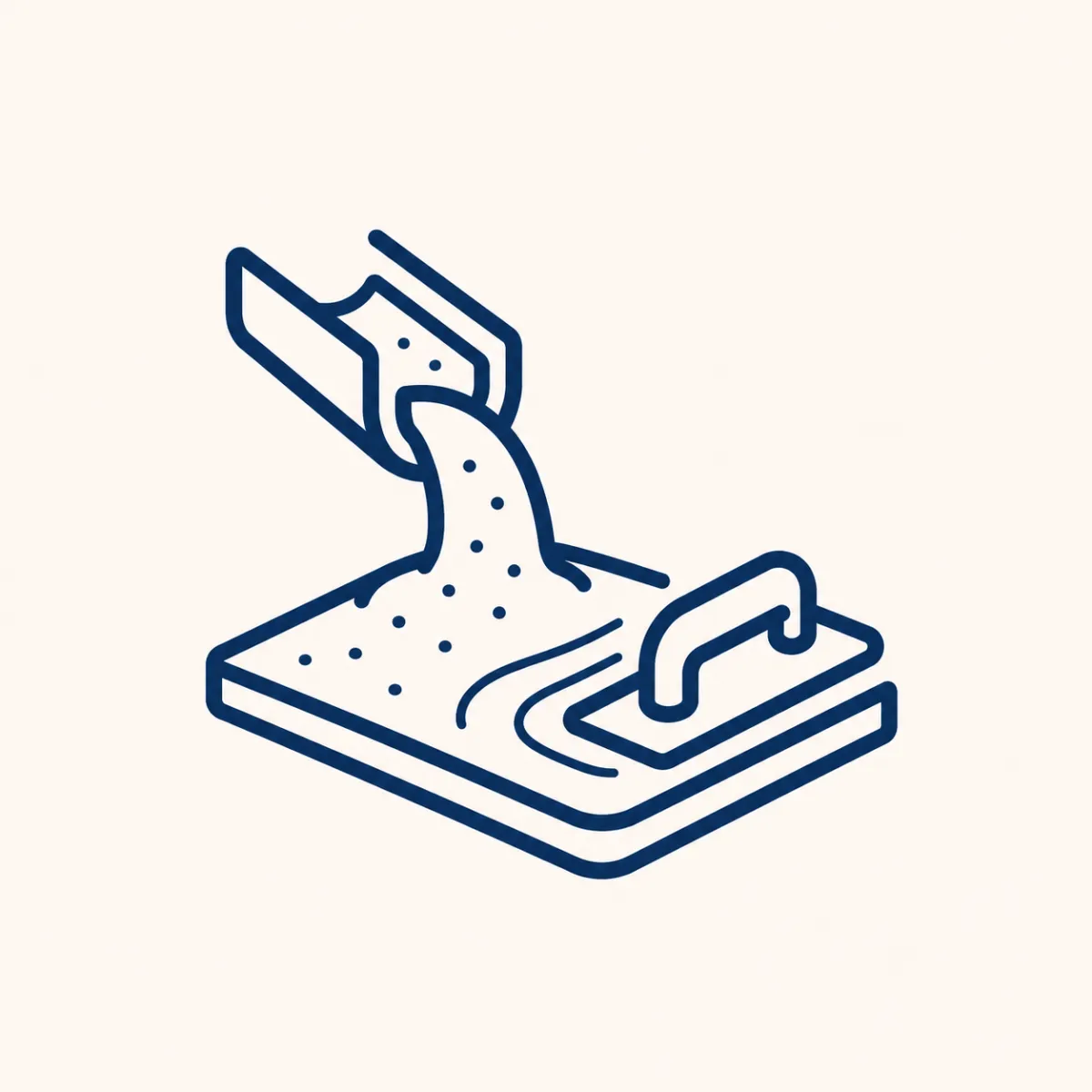
Concrete Pour & Finish
We pour, level, and finish the concrete with precision.
Frequently Asked Questions About Concrete Driveway Installation
How long does a concrete driveway last?
A well-built concrete driveway can last 25–40 years or more with proper base preparation, drainage, sealing, and regular maintenance.
Is concrete a good investment for my home?
Yes. Concrete is a strong long-term driveway option that can improve curb appeal, add usable space, and provide lasting value with proper installation.
What finishes can I choose from?
Common concrete driveway finishes include broom finish, smooth finish, exposed aggregate, stamped concrete, colored concrete, and decorative concrete options.
Why is base preparation so important?
Proper base preparation helps support the concrete, improve drainage, reduce settling, and prevent premature cracking or sinking.
Is concrete built for Wisconsin winters?
Yes. Concrete can perform well in Wisconsin winters when installed with the right base, drainage, mix design, curing, sealing, and maintenance.
Does concrete require maintenance?
Yes. Concrete driveways should be kept clean, sealed as needed, and protected from harsh de-icing chemicals, especially during the first winter.
Ready for a Concrete Driveway Built to Last?
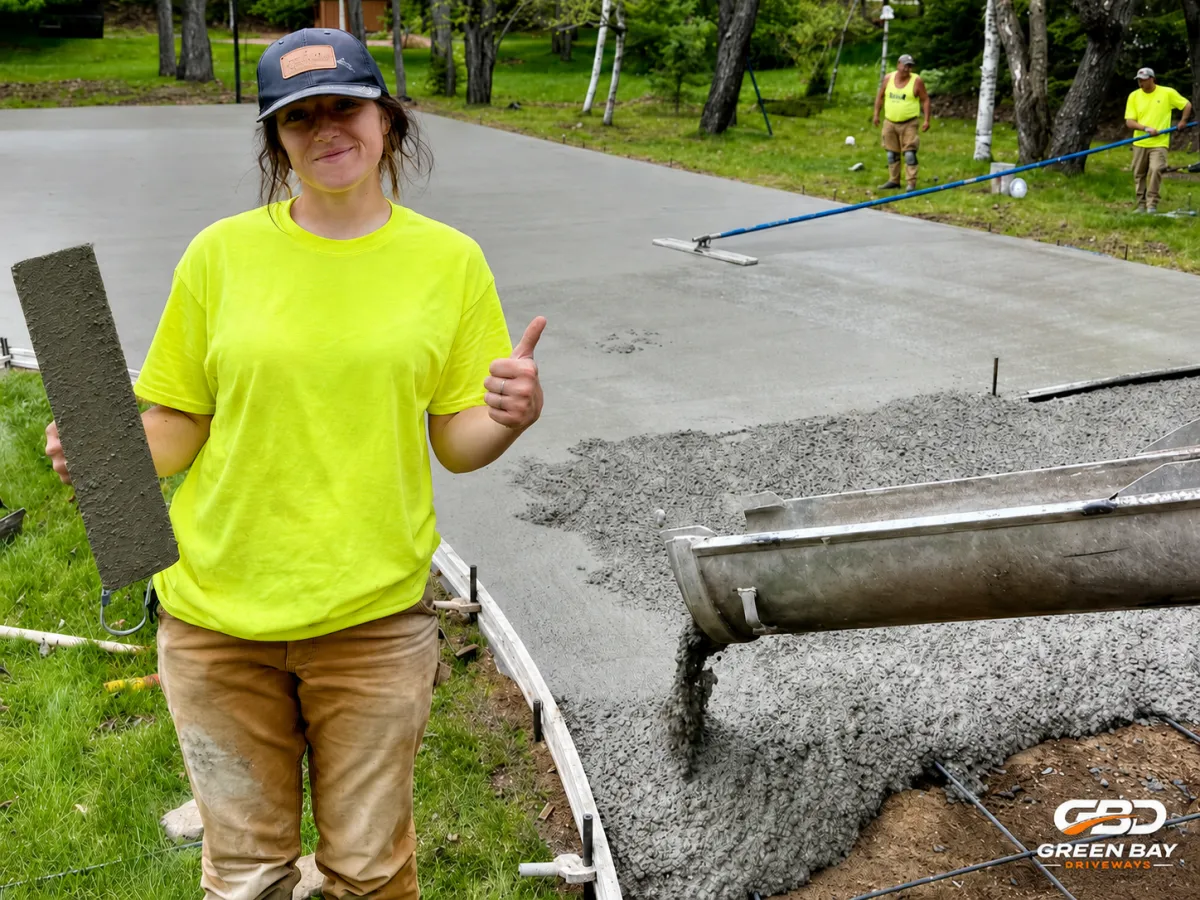
Get a free, no-obligation estimate from Green Bay's trusted concrete driveway experts. We'll visit your property, answer your questions, and give you an honest price — no pressure, no surprises.

Contact Us
Green Bay Driveways
Office Location:
200 E Wisconsin St
Seymour, WI 54165
Call: (920) 600-8906
Email: [email protected]
Driveway Marketplace
Email: [email protected]
© 2026 Driveway Marketplace. All rights reserved.
Privacy Policy
Terms of Use